Election Analyst Training
The Election Analyst training course serves as a preparation for people interested to work as election analysts within core teams in international election observation missions (EOMs).
Course Dates: 16.11 - 20.11.2026
Application deadlines:
- German applicants: 20.09.2026
- International applicants: 27.09.2026
Venue: Berlin
Course Fee:
- ZIF Pool: 250€ - full board included
- External: 990€ - full board included
Application documents: CV + letter of motivation, reference of national focal point (for internationals)
Course Description
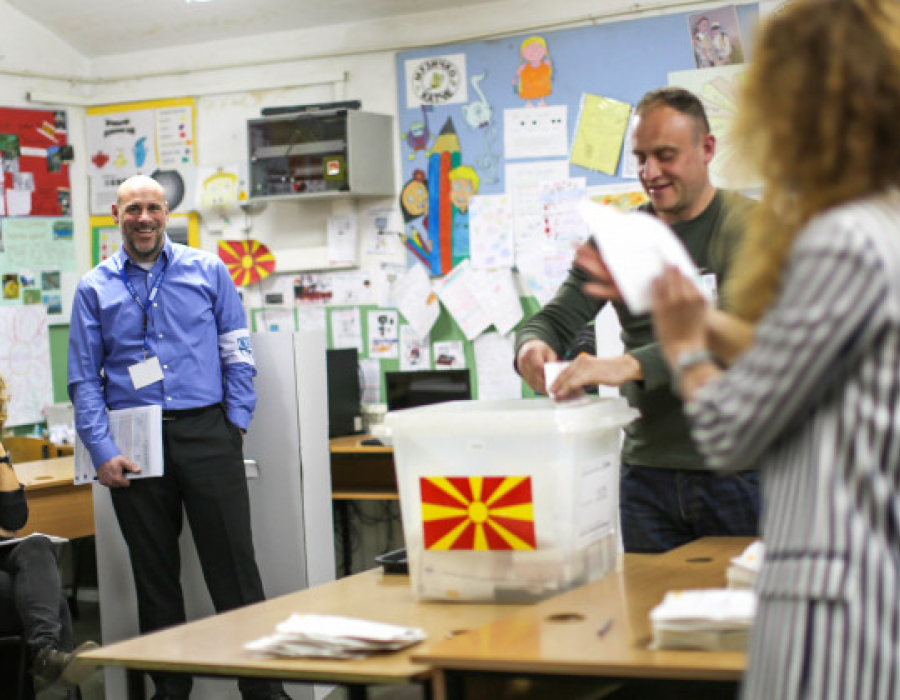
The Election Analyst training course serves as a preparation for people interested to work as election analysts within core teams in international election observation missions (EOMs). The course aims to equip participants with previous LTO experience with knowledge and skills needed for the deployment as Election Analyst in election observation missions with OSCE/ODIHR and the EU. The Election Analyst serves as the EOM’s primary point of contact with national election authorities. This position is highly specialized and requires not only technical and analytical skills but also the ability to prioritize tasks under significant time pressure and to deliver high-quality results to mission leadership within short deadlines.
The course aims to cover a wide range of skills including: contact with national election authorities in potentially sensitive political environments and drafting reports of the highest analytical quality. This involves covering voter and candidate registration, polling, vote counting, and the results process. Furthermore, the position requires strong teamwork and communication skills and support to long- and short-term election observers—and important aspect that is also integrated into the course.
The trainers themselves have years of field experience in this role and/or adjacent capacities.
The course language is English.
Learning Objectives
After completion of the course, participants will be ready to apply for deployment as an Election Analyst. This means they:
- have a detailed understanding of the tasks and responsibilities of an Election Analyst on the Core Team of EU and ODIHR election observation missions
- understand the challenges associated with working as an election analyst in the real-life context of mission work, and how they can prepare for and deal with them
- have experience of the skills needed for the required tasks and how to respond appropriately to challenges associated with the position
Target Audience
The course is specifically designed for qualified German and international professionals who have already gained experience as long-term election observers (ideally 3 LTO missions or more) in previous assignments and are interested in working as an Election Analyst in the core team of an EU and/or OSCE/ODIHR mission. Additional election experience is an advantage.
Please note that this course is primarily aimed at participants from the EU and/or OSCE participating states. Applicants from other countries will only be admitted in exceptional cases
Course Content
- Role of the Core Team in EU and ODIHR election observation missions
- Role and scope of responsibilities of the Election Analyst position within the Core Team
- Standards and principles for election administration
- Models, structures, and responsibilities of election management bodies (EMBs)
- Effective observation of EMB functions and collaboration with national election authorities
- Information gathering and management
- Reporting as an election analyst: content, formats, responsibilities, and prioritization under time pressure
- Preparation of recommendations for the final report
- Coordination and collaboration with the Core Team, LTOs, and STOs
- Working with an election analyst assistant
- Code of Conduct, professional working environment and ethical guidelines for international and national mission members
Pre-requisites
Previous experience in (multiple) LTO missions, as well as a letter of recommendation from your national focal point will increase your chances of being selected as a participant in the course. You can get in contact with your focal point via the EU EOM website or the EODS website. A broader list with all EOM focal points from OSCE participating states can be found on the ODIHR website.
Please note that this course is primarily aimed at participants from the EU and/or OSCE participating states. Applicants from other countries will only be admitted in exceptional cases.
Logistics
- The course fee covers the cost of accommodation and food during the training.
- The program is designed to include informal evening events. We recommend to stay at the course site. The fee will not be reduced if you choose not to stay at the official training location. Insurance and travel costs are not included in the course fee and will not be reimbursed.