Humanitarian access in crisis-hit regions: ZIF and UN OCHA train experts in the MENA region
 © ZIF
© ZIF
Escalating conflicts, security risks, and disrupted supply chains are making it increasingly difficult to provide humanitarian aid in the Middle East and North Africa. A joint training session organized by ZIF and UN OCHA for 24 experts from the region focused on negotiating and securing life-saving access to humanitarian aid.
Growing Needs, Narrowing Scope for Action
Humanitarian needs in the MENA region are steadily rising. At the same time, it is becoming increasingly difficult for aid organizations to reach people in need.
The causes of this are multifaceted:
- Security risks: Escalating conflicts and fragmented power structures
- Infrastructure failure: Disrupted transport routes and destroyed supply networks
- Pressure on the international humanitarian system: Increasing underfunding and challenges to humanitarian work
However, humanitarian access restrictions must not be accepted as a given. On-the-ground negotiations are key to breaking down barriers, building acceptance, and gradually reopening scope for action.
24 Professionals from the Region Participate in Exchange Program
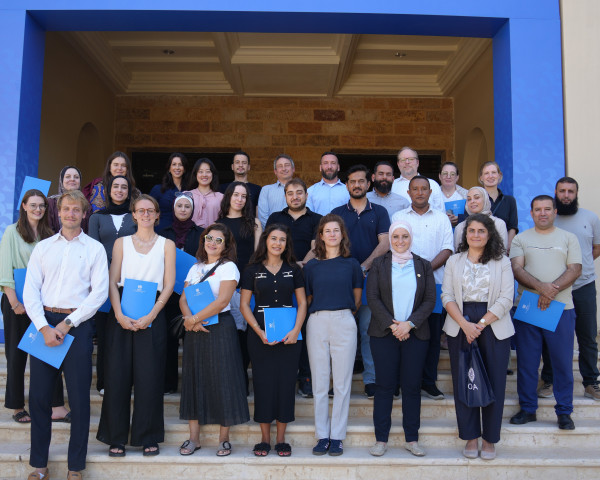
Last week, ZIF and UN OCHA provided targeted training for 24 humanitarian experts on these challenges during the MENA Regional Access Training in Amman.
The participants traveled from Syria, Lebanon, the Palestinian Territories, Yemen, Jordan, and Egypt. They brought with them a wide range of experiences from international NGOs, local organizations, and UN agencies. This direct exchange of practical experiences created a valuable space for developing joint solutions.
Practical Content for Complex Operations
The training combined expert input with the analysis of concrete cases drawn from the participants’ day-to-day work.
Key topics:
- International humanitarian law and international human rights standards
- coordination with armed actors, military coordination, and armed escorts
- Context analysis, data collection, and notification systems
- Community engagement, negotiation skills, and soft skills
Strong partnerships for effective aid
Programmes like this not only impart specialized knowledge but also foster lasting networks among practitioners within the region.
ZIF remains committed to equipping humanitarian actors with the tools they need to safely reach people even under extreme conditions. This work is based on proven, close cooperation with reliable partners such as UN OCHA.